Empire State Building History & Art Deco Design Guide
A deep dive into the Empire State Building: the 1930s race to the top, Art Deco details, and how this skyscraper became New York’s defining icon.
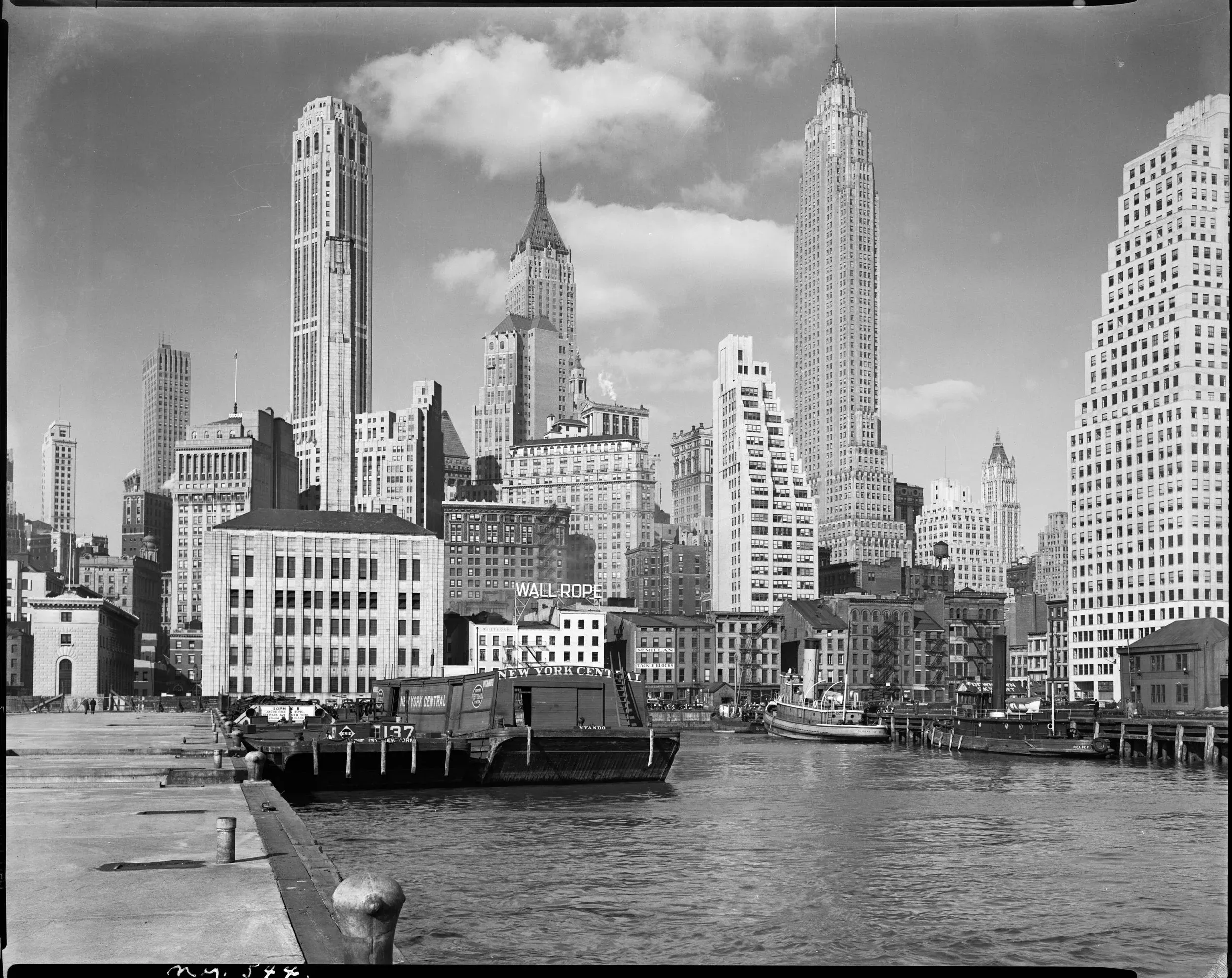
The Empire State Building (ESB) is the story of speed, style, and swagger. Conceived in a boom, built in a bust, it rose in just 410 days and crowned Midtown with the clean lines and geometric glamour of Art Deco — and a spirit that still feels modern.
Why It Was Built (And Why It Endures)
- Ambition in the Depression: a private wager on the future of cities.
- A race for the crown with the Chrysler Building — height, headlines, and hubris.
- Utility meets symbolism: offices, broadcast power, and an instant tourist magnet.
“It proved that New York could build anything — even its own future.”
Quick Facts
- Height: 1,454 ft (443.2 m) to tip; 102 floors.
- Completion: 1931; architects Shreve, Lamb & Harmon.
- Style: Art Deco — streamlined forms, aluminum, bronze, marble.
- Early nickname: the “Empty State Building,” until visitors and antennas filled it with life.
| Metric | Value |
|---|---|
| Steel | ~57,000 tons |
| Elevators | 70+ modernized cars |
| LEDs | 16 million colors for tower lights |
| Retrofit | Award‑winning energy overhaul in the 2010s |
Timeline Highlights
| Year | Milestone |
|---|---|
| 1929 | Project announced; height race with the Chrysler Building. |
| 1930–31 | Record‑pace construction; Mohawk ironworkers lead the steel ballet. |
| 1931 | Opening and floodlighting; decks become instant hits. |
| 1950s–60s | Broadcast antennas redefine the crown and function. |
| 2010s | Energy retrofit; LED tower lights enable dynamic shows. |
Art Deco, Up Close
- Lobby: Bronze reliefs, marble panels, celestial murals; a compact manifesto.
- Facade: Indiana limestone, aluminum spandrels, disciplined setbacks.
- Crown: A working pinnacle — mast + antenna + lightning protection.
Tip: Stand at the lobby’s centerline and look up. The geometry “snaps” into focus.
Design Reading List (5‑Minute Primer)
- Linear repetition communicates height and speed.
- Metallic accents suggest technology and optimism.
- Setbacks create a visual “stair” — a skyscraper’s silhouette grammar.
What to Notice In‑Person
- Elegant proportions — repeating verticals and rhythmic setbacks.
- The lobby’s mural ceilings, historic plaques, and bronze relief.
- Window/spandrel symmetry — Deco rigor you can count.
- The mast’s transition from ornamental to infrastructural (antennas, lightning).
7‑Minute Self‑Tour
- Exterior corners (setbacks); 2) 5th Ave facade; 3) Lobby centerline; 4) Bronze relief; 5) Elevator banks; 6) Historical plaques; 7) Exit and look back for the crown.
Pairings Nearby
- Grand Central (Whispering Gallery), Bryant Park, New York Public Library.
- Flatiron Building & Madison Square — early skyscraper DNA.
- MoMA for 20th‑century design context.
Photo Prompt: Shoot ESB reflected in nearby glass to layer old + new NYC.
Mini FAQ
- Can you visit the lobby without tickets? Yes, it functions as a public threshold.
- Is ESB the tallest in NYC? Not today; it remains the icon among giants.
- Why is the color often white at night? White is the classic; colors mark events.
Bottom Line
ESB is both artifact and experience: a living piece of 1930s optimism you can step into — and on — all the way to the sky. Learn the silhouette, notice the materials, and you’ll see Art Deco’s discipline everywhere you look in Midtown.
O autorovi

NYC Observatory Expert
Tento průvodce jsem připravil, aby byla vaše návštěva Empire State Building jednoduchá, poutavá a plná užitečných tipů o New Yorku.
Tags
Comments (0)
Loading comments...