Art Deco ambition, New York spirit
A race to the sky that reshaped a city and its skyline.
Table of Contents
Planning a skyscraper
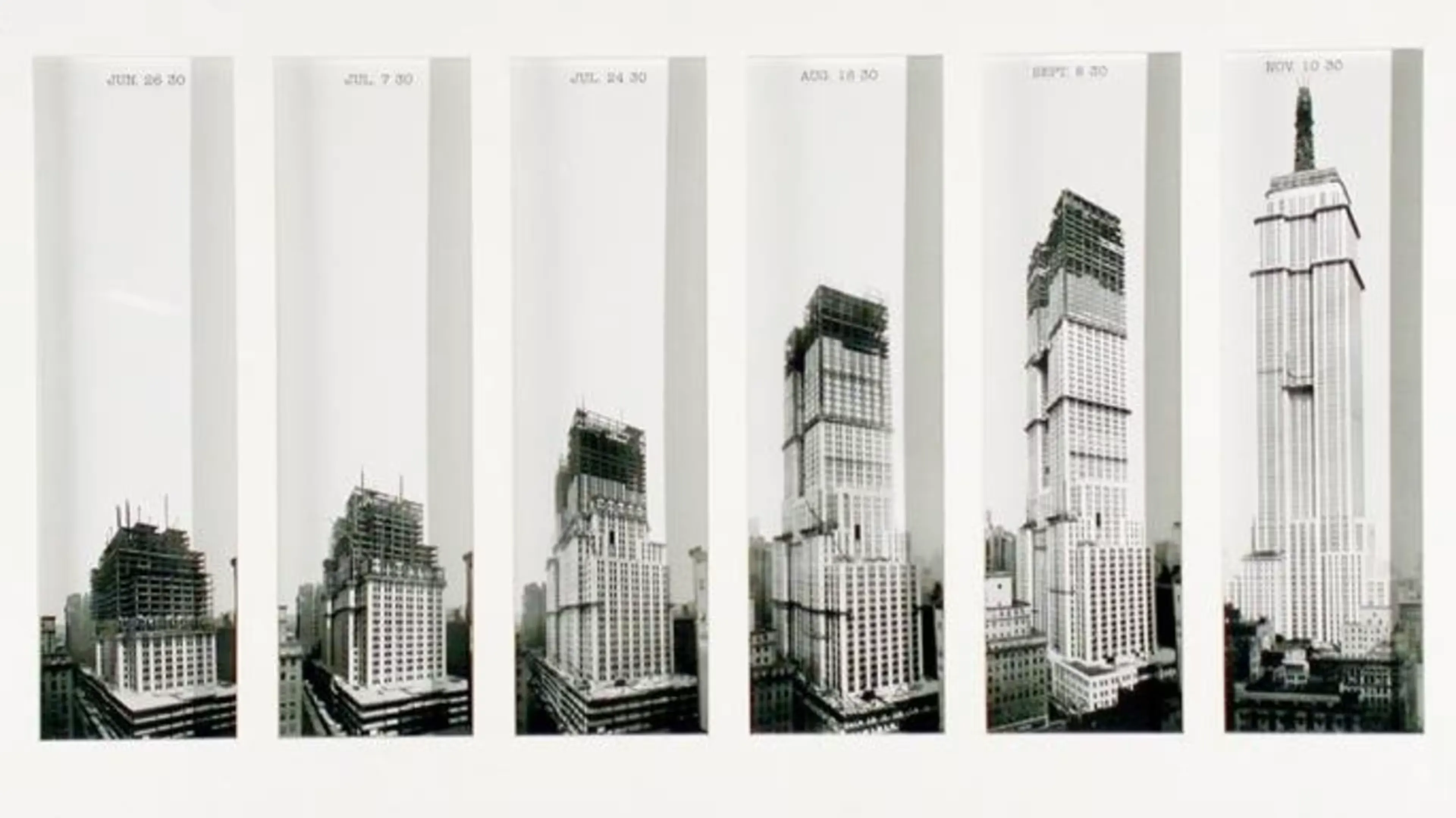
By the late 1920s, New York’s skyline was in a daring sprint upward. Business leaders envisioned a landmark on Fifth Avenue that would set records and symbolize a city brimming with energy.
Despite economic headwinds, the project moved ahead with bold financing and an exacting schedule — a testament to the city’s will to build and the era’s belief in modern progress.
Design & Art Deco
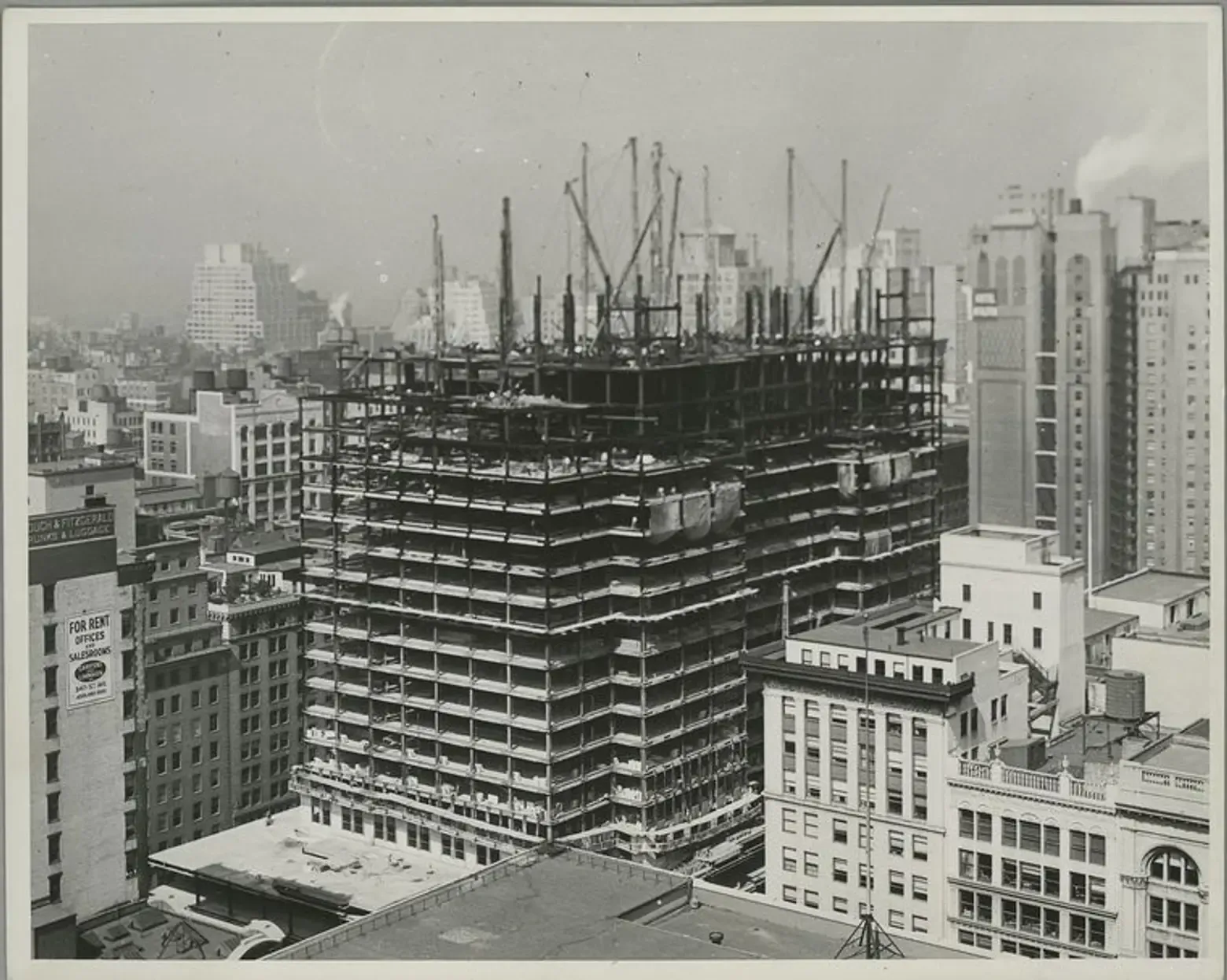
The Empire State Building’s design blends strength with elegance: setbacks that taper gracefully toward the sky, limestone cladding, and an exquisite lobby adorned with gilded Art Deco motifs.
Inside, the building’s proportions, materials, and geometric patterns celebrate a machine‑age optimism — a distinctly New York expression of Art Deco’s confidence and craft.
Lightning‑fast construction
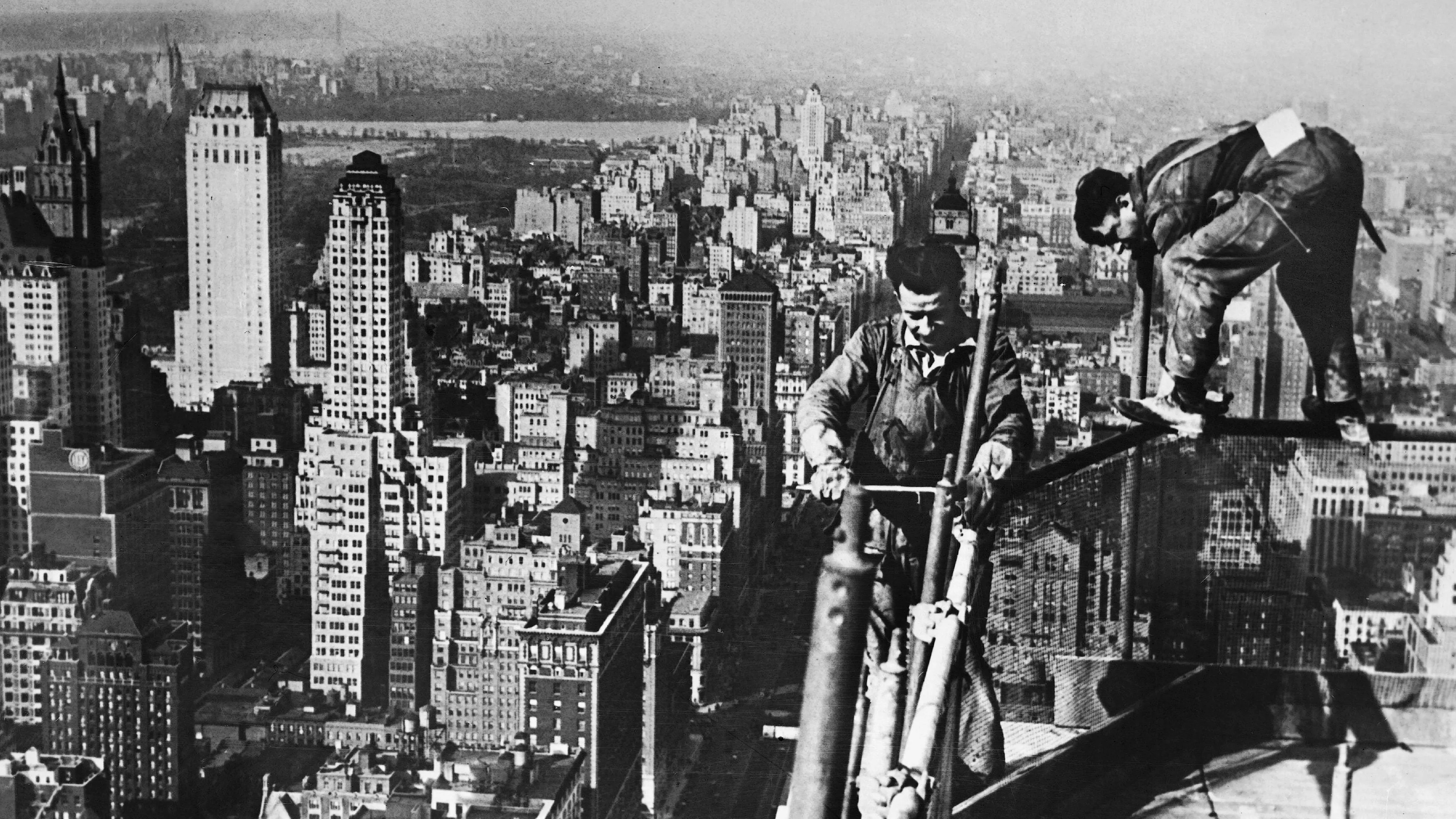
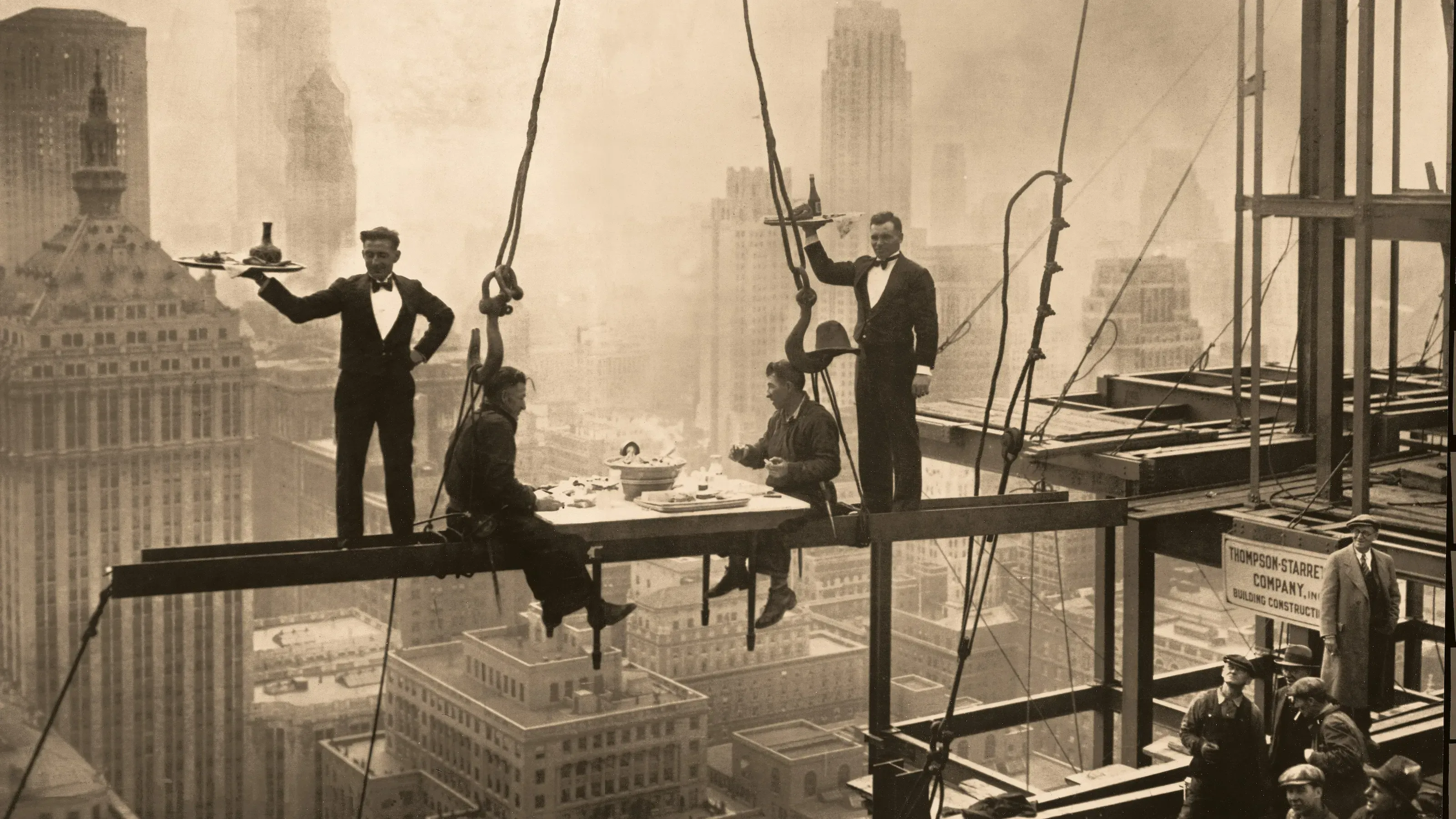
Built astonishingly quickly during the early 1930s, crews raised steel frames, poured concrete, and installed elevators with choreography that still inspires awe — a feat of organization and skill.
Stories tell of entire floors rising in days; the pace set records and became part of the building’s legend, memorialized in photographs and exhibits that honor the workers’ grit and ingenuity.
Observatories & experiences
From the open‑air 86th Floor to the crystalline 102nd Floor Observatory, every visit is a layered experience: design details, history brought to life in exhibits, and views that stretch for miles.
Exhibits trace the building’s story from concept to cultural icon, while evening visits reveal a twinkling cityscape that feels both cinematic and personal.
Broadcasting & the spire
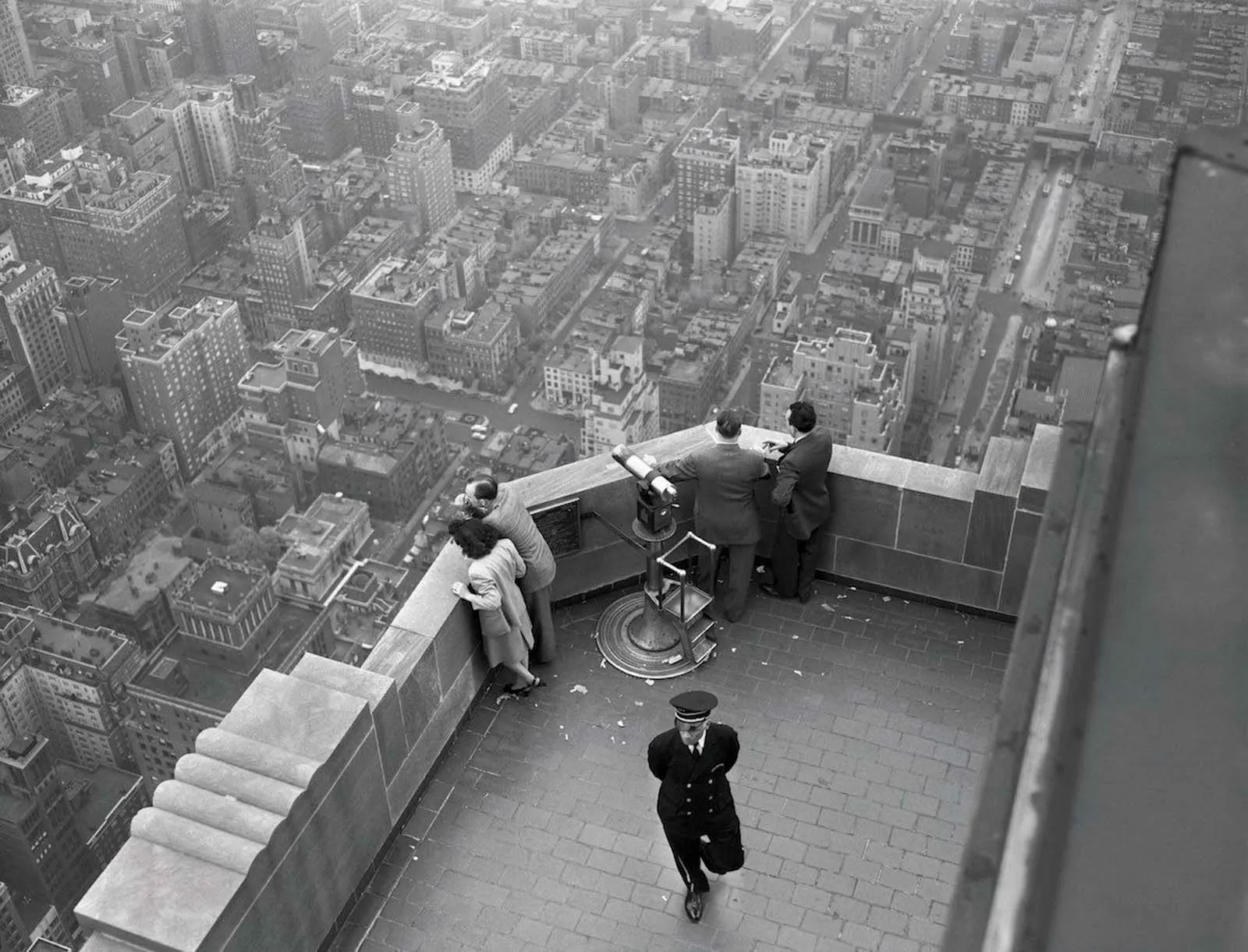
The tower’s spire evolved from airship ideas to a major broadcasting hub, supporting radio and television — a functional crown that connects the building to the rhythms of the city.
Its profile is instantly recognizable; lighting changes and seasonal colors keep the spire in conversation with the city’s events and shared moments.
Culture, cinema & fame
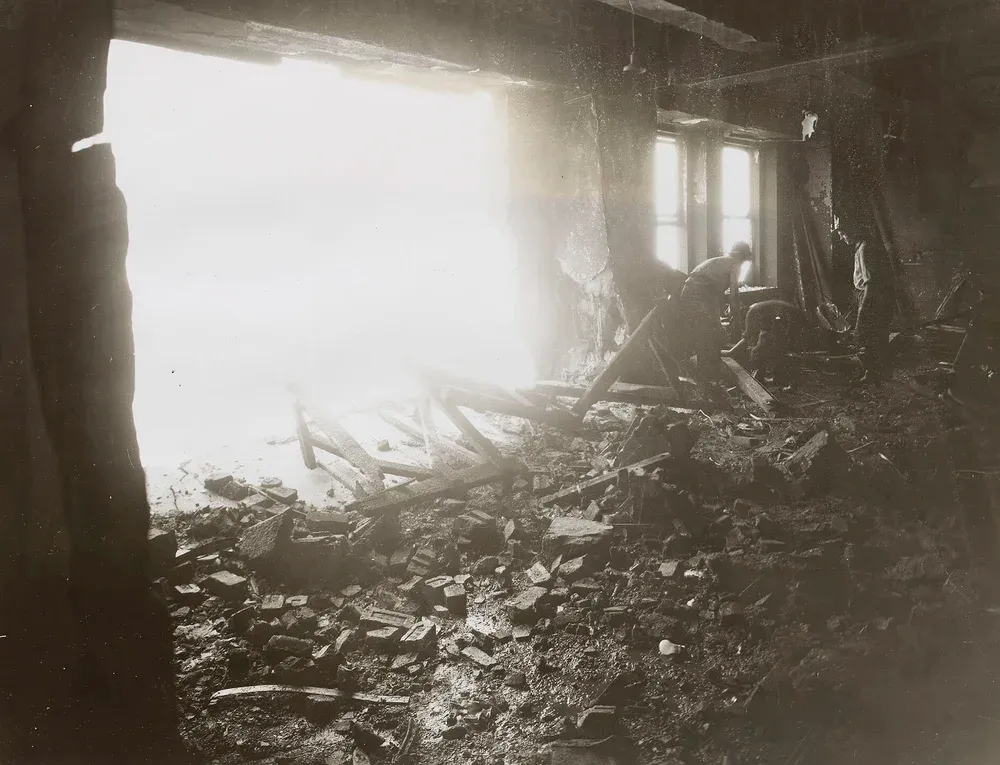
From silver‑screen scenes to countless postcards, the Empire State Building became shorthand for New York itself — a backdrop to love stories, ambitions, and everyday city life.
Its appearances in films, music, and media turned a feat of engineering into a global cultural icon, a place where memory and imagination meet.
Skyline views & neighborhoods
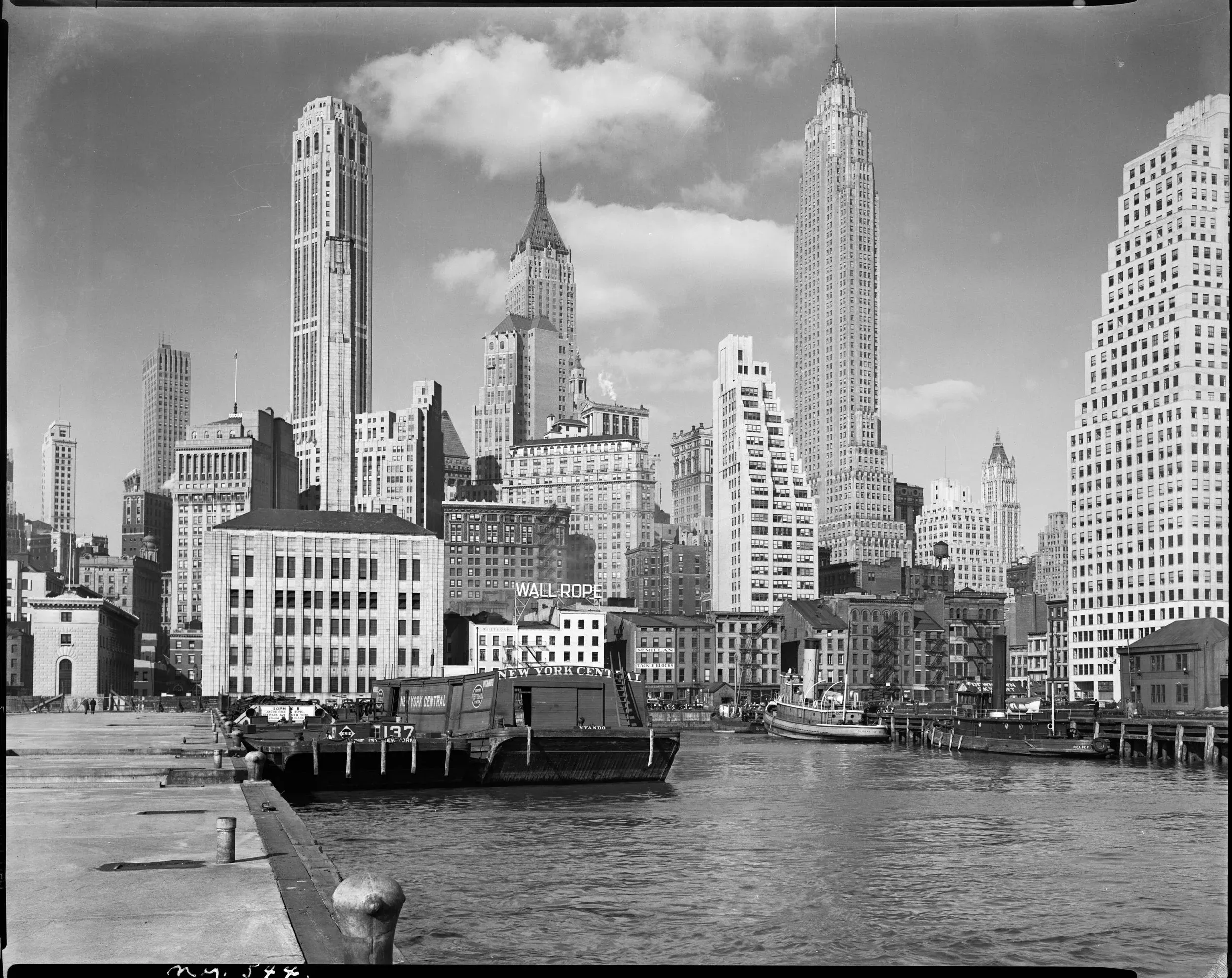
Spot the Chrysler Building, One World Trade Center, the Hudson River, bridges to Brooklyn and Queens, and neighborhoods that stretch like stories across the map.
Each direction offers a different narrative — uptown parks, downtown towers, and the boroughs that give New York its breadth and character.
Safety & accessibility
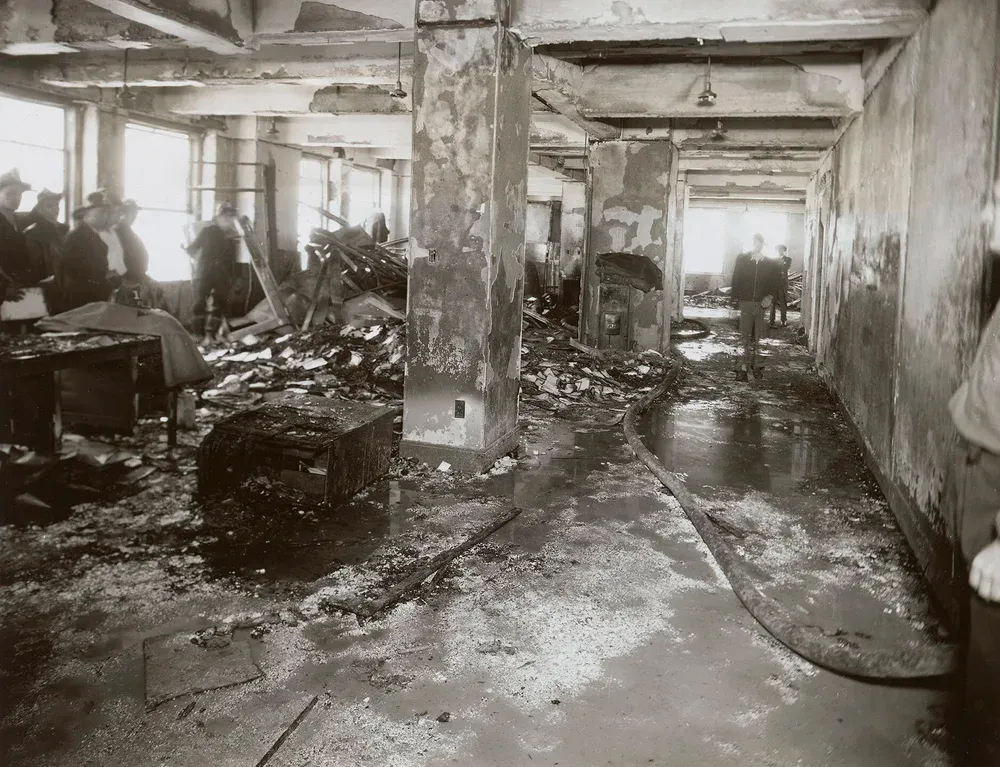
Security screening precedes elevators; accessible routes and facilities are provided throughout the experience. Staff can assist with mobility needs.
Weather can affect the open‑air deck; adjustments are made for guest comfort and safety during high winds or storms.
Events, lighting & traditions
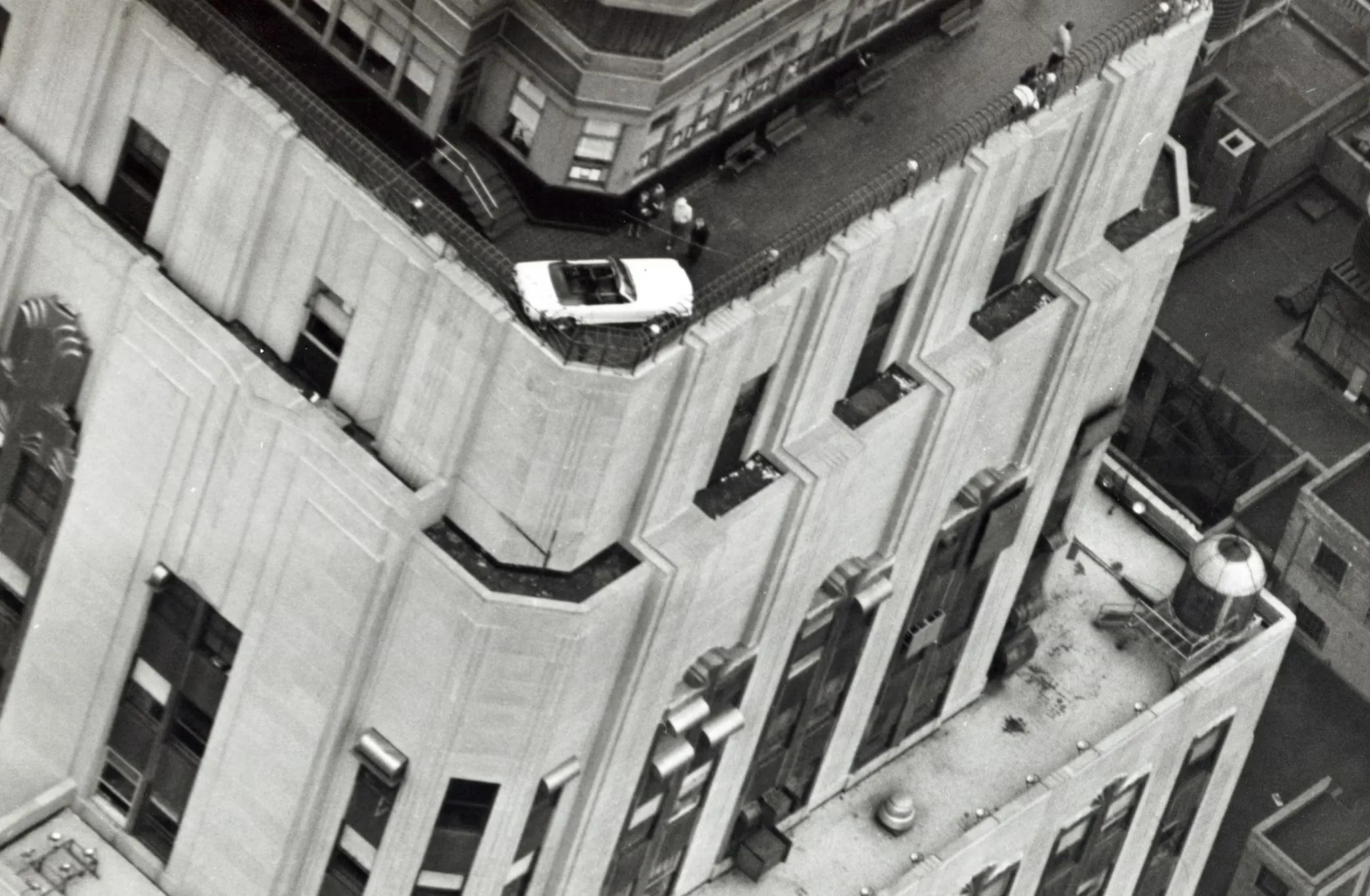
The tower lights celebrate city moments — from holidays to cultural milestones — turning the building into a luminous storyteller.
Special events, proposals, and seasonal programs add layers of meaning, making the building part of personal and communal celebrations.
Tickets, passes & tips
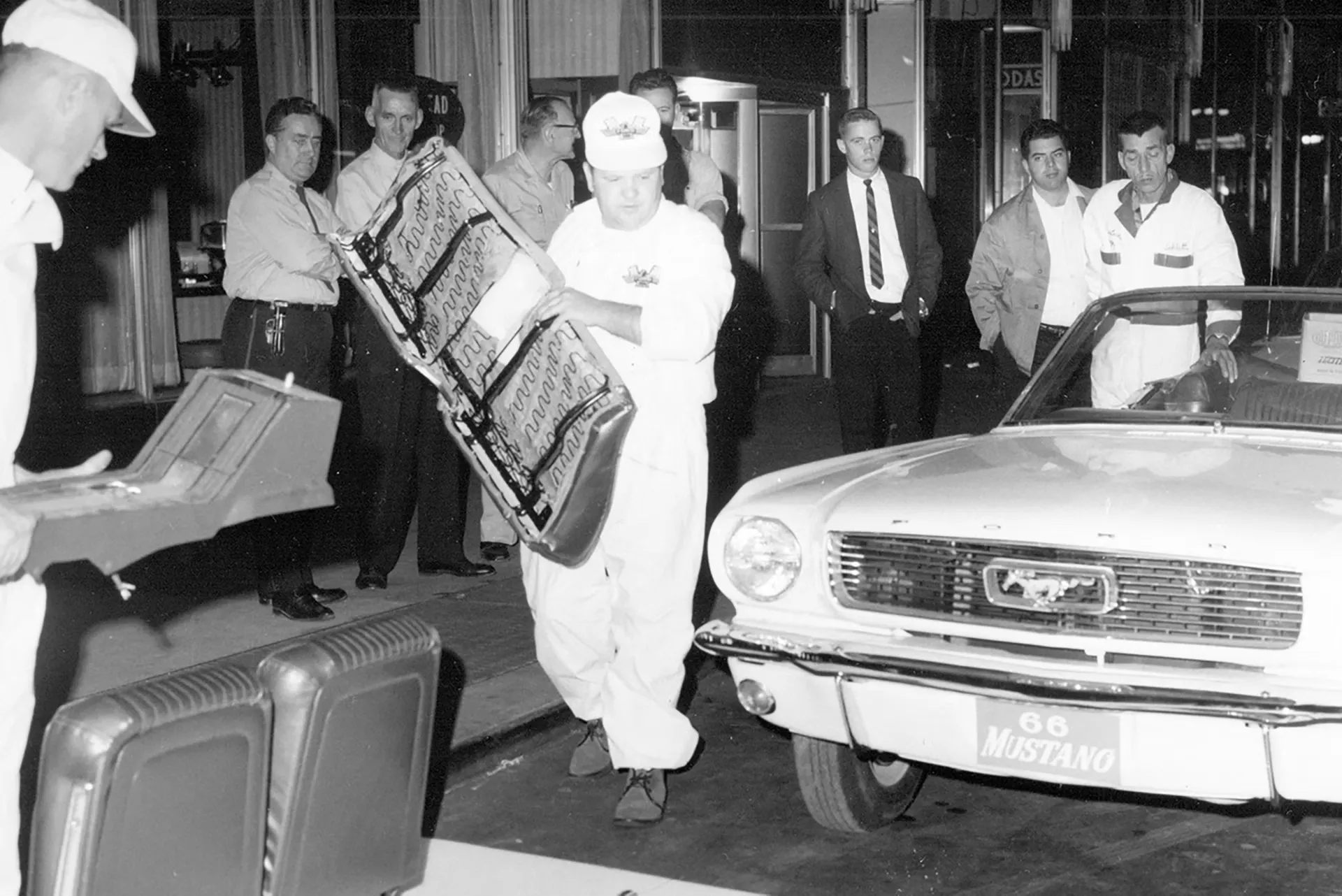
Book timed entry online; choose standard or express and add the 102nd Floor for an elevated perspective.
City passes may offer bundled entry — check details, blackout dates, and whether express access is included.
Sustainability & upgrades
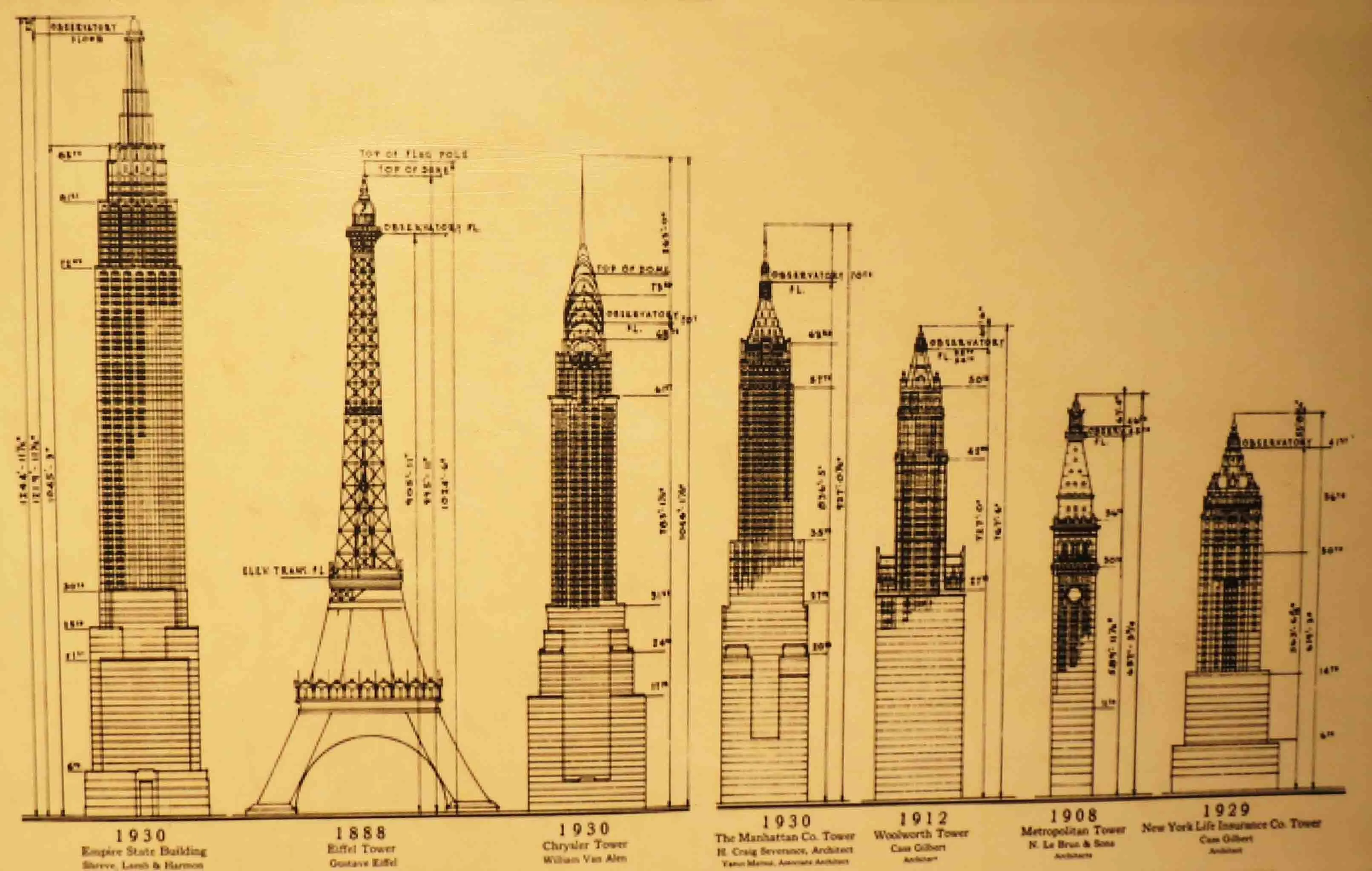
Recent retrofits improved energy performance and comfort while preserving historic fabric — a model for sustainable updates in landmark buildings.
LED lighting and smart systems help reduce environmental impact, keeping the building efficient without losing its character.
Nearby Midtown highlights
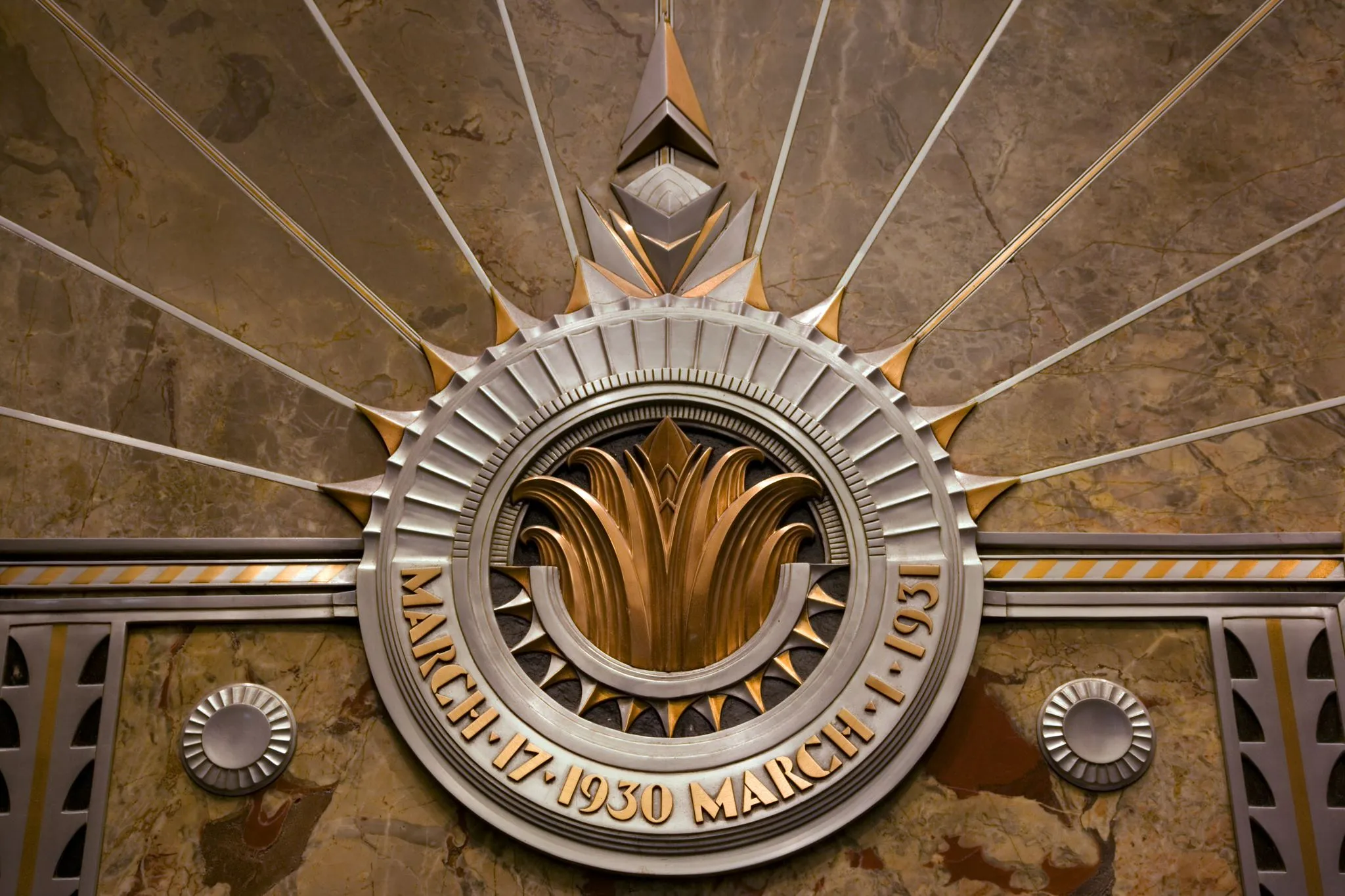
Herald Square, Bryant Park, the New York Public Library, and Koreatown are minutes away — ideal for pairing with your visit.
Shops on Fifth Avenue, dining along 32nd Street, and museums nearby make a full Midtown day effortless.
Why this building matters
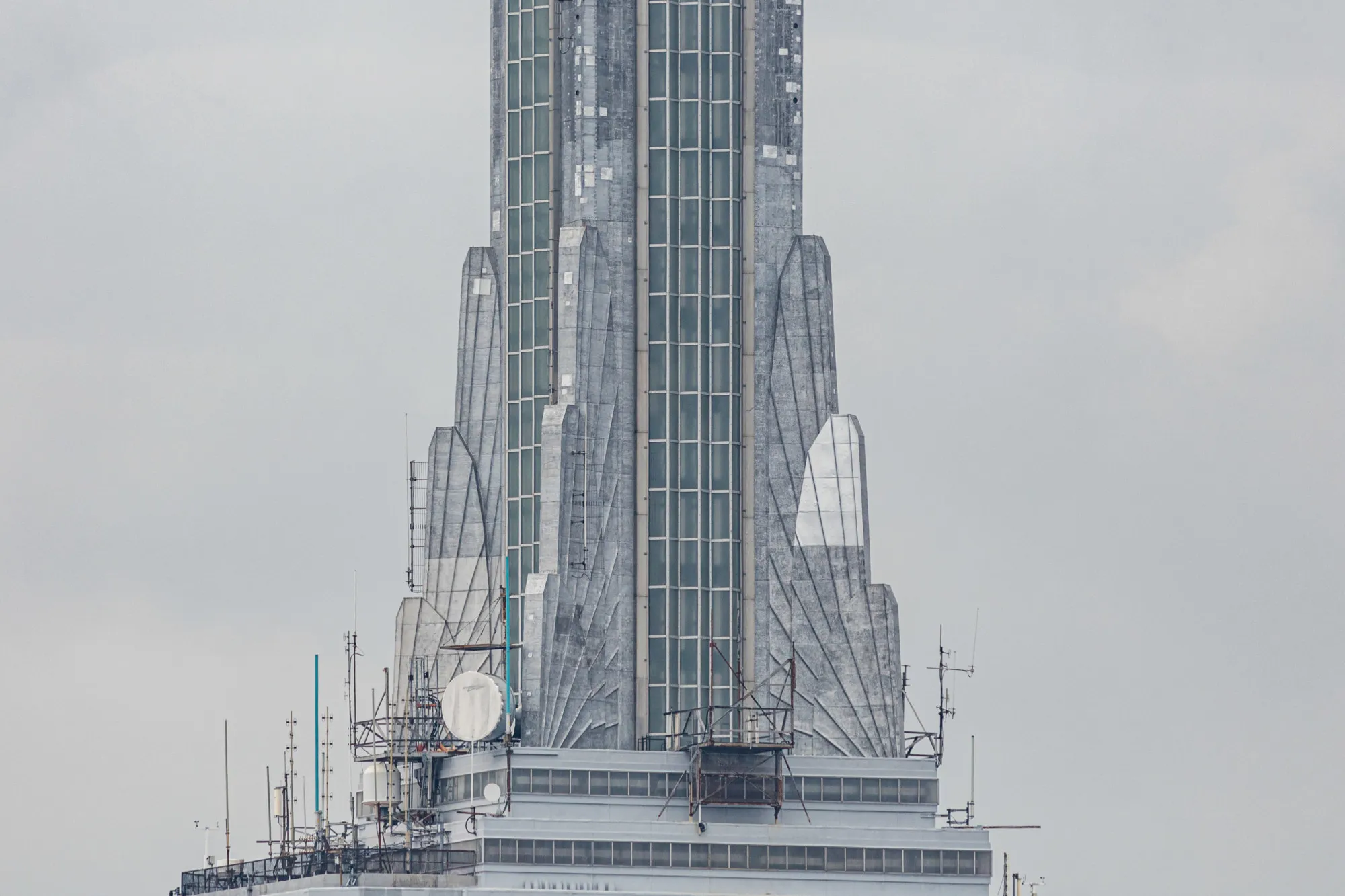
The Empire State Building embodies a city’s optimism — a fusion of engineering, design, and cultural memory that continues to inspire.
Visiting connects you to generations of workers, dreamers, and visitors who saw New York from a new vantage and carried that feeling forward.
Table of Contents
Planning a skyscraper
By the late 1920s, New York’s skyline was in a daring sprint upward. Business leaders envisioned a landmark on Fifth Avenue that would set records and symbolize a city brimming with energy.
Despite economic headwinds, the project moved ahead with bold financing and an exacting schedule — a testament to the city’s will to build and the era’s belief in modern progress.
Design & Art Deco
The Empire State Building’s design blends strength with elegance: setbacks that taper gracefully toward the sky, limestone cladding, and an exquisite lobby adorned with gilded Art Deco motifs.
Inside, the building’s proportions, materials, and geometric patterns celebrate a machine‑age optimism — a distinctly New York expression of Art Deco’s confidence and craft.
Lightning‑fast construction
Built astonishingly quickly during the early 1930s, crews raised steel frames, poured concrete, and installed elevators with choreography that still inspires awe — a feat of organization and skill.
Stories tell of entire floors rising in days; the pace set records and became part of the building’s legend, memorialized in photographs and exhibits that honor the workers’ grit and ingenuity.
Observatories & experiences
From the open‑air 86th Floor to the crystalline 102nd Floor Observatory, every visit is a layered experience: design details, history brought to life in exhibits, and views that stretch for miles.
Exhibits trace the building’s story from concept to cultural icon, while evening visits reveal a twinkling cityscape that feels both cinematic and personal.
Broadcasting & the spire
The tower’s spire evolved from airship ideas to a major broadcasting hub, supporting radio and television — a functional crown that connects the building to the rhythms of the city.
Its profile is instantly recognizable; lighting changes and seasonal colors keep the spire in conversation with the city’s events and shared moments.
Culture, cinema & fame
From silver‑screen scenes to countless postcards, the Empire State Building became shorthand for New York itself — a backdrop to love stories, ambitions, and everyday city life.
Its appearances in films, music, and media turned a feat of engineering into a global cultural icon, a place where memory and imagination meet.
Skyline views & neighborhoods
Spot the Chrysler Building, One World Trade Center, the Hudson River, bridges to Brooklyn and Queens, and neighborhoods that stretch like stories across the map.
Each direction offers a different narrative — uptown parks, downtown towers, and the boroughs that give New York its breadth and character.
Safety & accessibility
Security screening precedes elevators; accessible routes and facilities are provided throughout the experience. Staff can assist with mobility needs.
Weather can affect the open‑air deck; adjustments are made for guest comfort and safety during high winds or storms.
Events, lighting & traditions
The tower lights celebrate city moments — from holidays to cultural milestones — turning the building into a luminous storyteller.
Special events, proposals, and seasonal programs add layers of meaning, making the building part of personal and communal celebrations.
Tickets, passes & tips
Book timed entry online; choose standard or express and add the 102nd Floor for an elevated perspective.
City passes may offer bundled entry — check details, blackout dates, and whether express access is included.
Sustainability & upgrades
Recent retrofits improved energy performance and comfort while preserving historic fabric — a model for sustainable updates in landmark buildings.
LED lighting and smart systems help reduce environmental impact, keeping the building efficient without losing its character.
Nearby Midtown highlights
Herald Square, Bryant Park, the New York Public Library, and Koreatown are minutes away — ideal for pairing with your visit.
Shops on Fifth Avenue, dining along 32nd Street, and museums nearby make a full Midtown day effortless.
Why this building matters
The Empire State Building embodies a city’s optimism — a fusion of engineering, design, and cultural memory that continues to inspire.
Visiting connects you to generations of workers, dreamers, and visitors who saw New York from a new vantage and carried that feeling forward.